
Feedback
AI Ad Video Example
Loading...
MiniMax H3 to Video
Create cinematic 2K clips from a single text prompt with MiniMax H3 to Video. Built-in dialogue, steady characters, no separate audio editing.
All Tools
Discover our comprehensive AI-powered animation toolkit
MiniMax H3
MiniMax H3 AI Video Generator
Seedance 2.5
The Future of AI Video Is Here.
Seedance 2.0
The Future of AI Video Is Here.

Veo3.1
Create Stunning Videos with Veo3.1
Kling 3.0
Next-Gen AI Video Generator
MiniMax H3 video generator
MiniMax H3 AI Video Generator
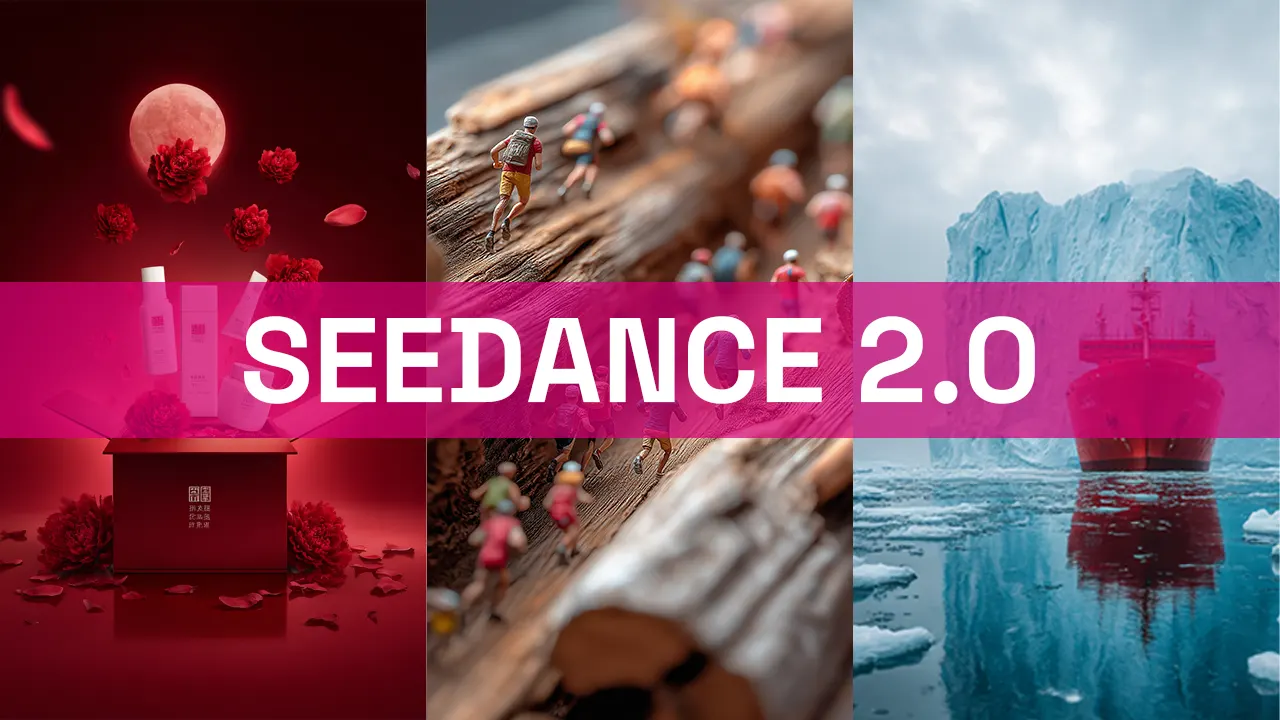
Seedance 2.0
The Future of AI Video Is Here.
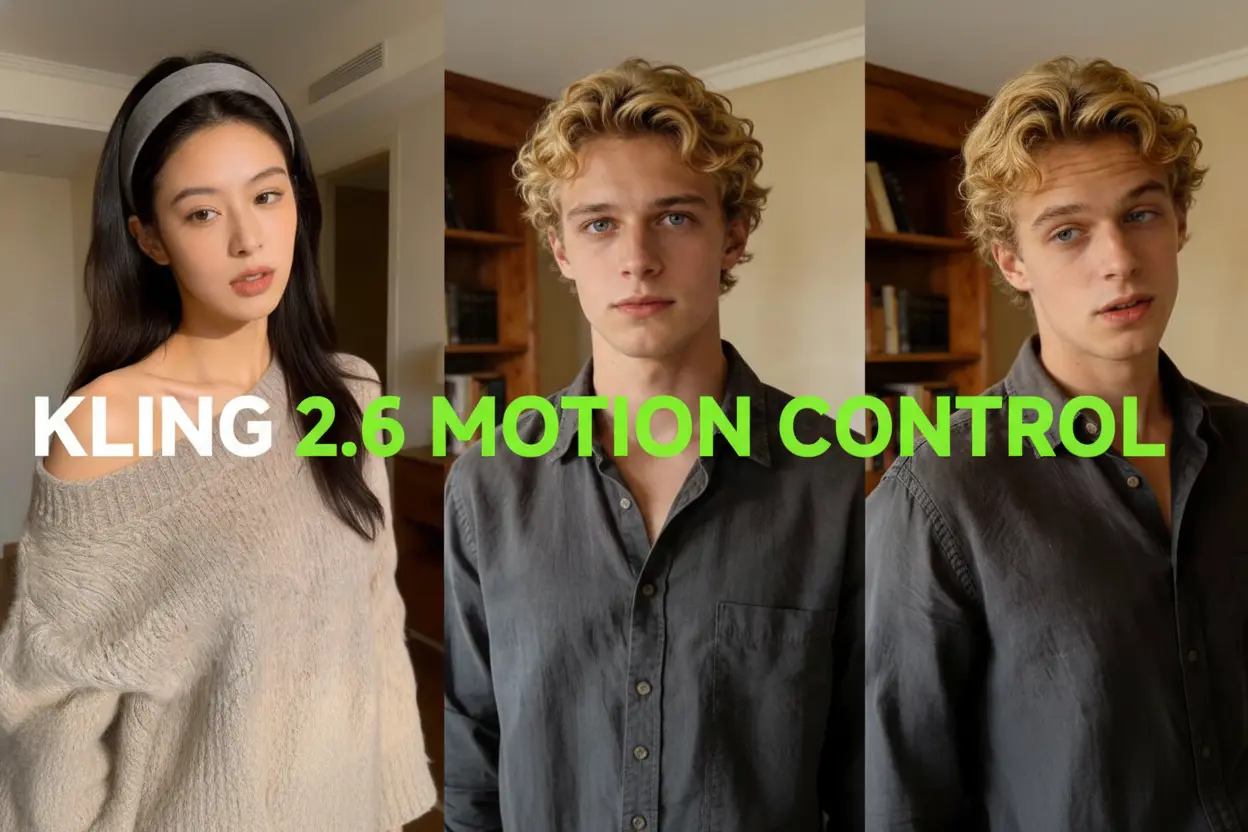
Kling Motion Control
Turn reference images into amazing motion videos in minutes
Why Creators Choose MiniMax H3 to Video
Built on MiniMax's H3 engine, also known as Hailuo 3.0, this tool converts a written scene into a 2K clip whose soundtrack is generated alongside the picture. Since audio and visuals are produced together, the effects you name and the exact timing of each cue shape the final result. Spoken lines appear on camera with no dubbing step, reference images preserve continuity, and multi-shot sequences play out in the order you specify.
- Prompt-to-Clip with Synchronized AudioDescribe your scene and receive motion footage that already carries its own audio track — MiniMax H3 to Video generates picture and sound together in one pass.
- On-Screen Spoken LinesShort-form drama leans on tight framing and reverse cuts — each line is voiced as the shot is created with MiniMax H3 to Video, so no separate voice-over stage is needed.
- Consistent Look via ReferencesUpload as many as 9 images, 3 clips, and 3 audio files in a single run, each assigned a role you define — faces, settings, movement, and voice stay anchored to fixed sources with MiniMax H3 to Video.
How to Generate Video with MiniMax H3 to Video in 3 Steps
Produce a finished clip in three easy steps using MiniMax H3 to Video on Morphic's endless visual canvas.
Core Capabilities of MiniMax H3 to Video
Prompt-driven video with synchronized audio, spoken lines captured on camera, reference-based consistency, and beat-timed multi-shot scenes — MiniMax H3 to Video transforms a written shot into a polished 2K clip with sound included.
Prompt-to-Video with Audio
Describe the scene and receive motion footage that already contains its soundtrack — the effects you name and the timing of each cue alter what MiniMax H3 to Video produces.
Spoken Dialogue On Screen
Short-form drama using tight framing and reverse cuts — each line is delivered as the shot is generated by MiniMax H3 to Video, with performance and delivery captured together.
As Many as 15 Reference Slots
Supply 9 images, 3 clips, and 3 audio files in a single run, each with a role you define — MiniMax H3 to Video draws faces, locations, motions, and voices from fixed inputs.
Beat-Timed Multi-Shot Scenes
Break the clip into beats and receive several shots within one generation — title sequences, interface walkthroughs, and product reveals arrive in your specified order with MiniMax H3 to Video.
Swap Models and Compare Takes
Render in minutes and evaluate MiniMax H3 to Video results alongside other models on the Morphic Canvas before locking in your choice.
Crisp 2K Output Resolution
MiniMax H3 to Video outputs 2K footage with audio already embedded — ideal for titles, interface walkthroughs, and product reveals.
MiniMax H3 to Video: Frequently Asked Questions
Answers to the most common questions about generating video from text with MiniMax H3 to Video.
What exactly is MiniMax H3 to Video?
It refers to MiniMax's H3 model, also known as Hailuo 3.0, offered here as a text-to-video tool. MiniMax H3 to Video builds 2K footage with audio already included, creating picture and sound together from a written scene description.
Can it truly produce audio?
Absolutely — MiniMax H3 to Video creates sound in the same pass as the picture. Naming effects and the exact moment a cue lands changes the output, and spoken lines appear on camera without any dubbing.
What's the best way to nail the first render?
Describe the shot with subject, action, camera, lighting, and the sound you want, then add timing cues across the clip — MiniMax H3 to Video gets closest on the first try when the beats are mapped out.
Are reference materials supported?
Yes — you can supply up to 9 images, 3 video clips, and 3 audio files in one run with MiniMax H3 to Video, each with a role you assign: a face, location, motion, and voice all come from fixed sources.
Can it handle multi-shot sequences?
Yes — break the clip into beats and multiple shots come back within a single generation with MiniMax H3 to Video, so title sequences, interface walkthroughs, and product reveals resolve in the order you wrote.
How can I compare it against other models?
On the Morphic canvas, render in minutes, swap models, and compare MiniMax H3 to Video results side by side with Kling 3.0, Veo 3.1, Seedance 2.5, and Vidu Q3 before deciding on the final cut.
Start Creating with MiniMax H3 to Video
Convert a written scene into 2K footage with audio included — text-to-video, on-screen dialogue, and reference-based continuity using MiniMax H3 to Video on an endless visual canvas.