
Feedback
AI Ad Video Example
Loading...
MiniMax H3 prompt
Learn to harness the MiniMax H3 prompt: organize timed scene blocks, direct camera behavior, and shape audio for high-res footage paired with stereo sound.
All Tools
Discover our comprehensive AI-powered animation toolkit
MiniMax H3
MiniMax H3 AI Video Generator
Seedance 2.5
The Future of AI Video Is Here.
Seedance 2.0
The Future of AI Video Is Here.

Veo3.1
Create Stunning Videos with Veo3.1
Kling 3.0
Next-Gen AI Video Generator
MiniMax H3 video generator
MiniMax H3 AI Video Generator
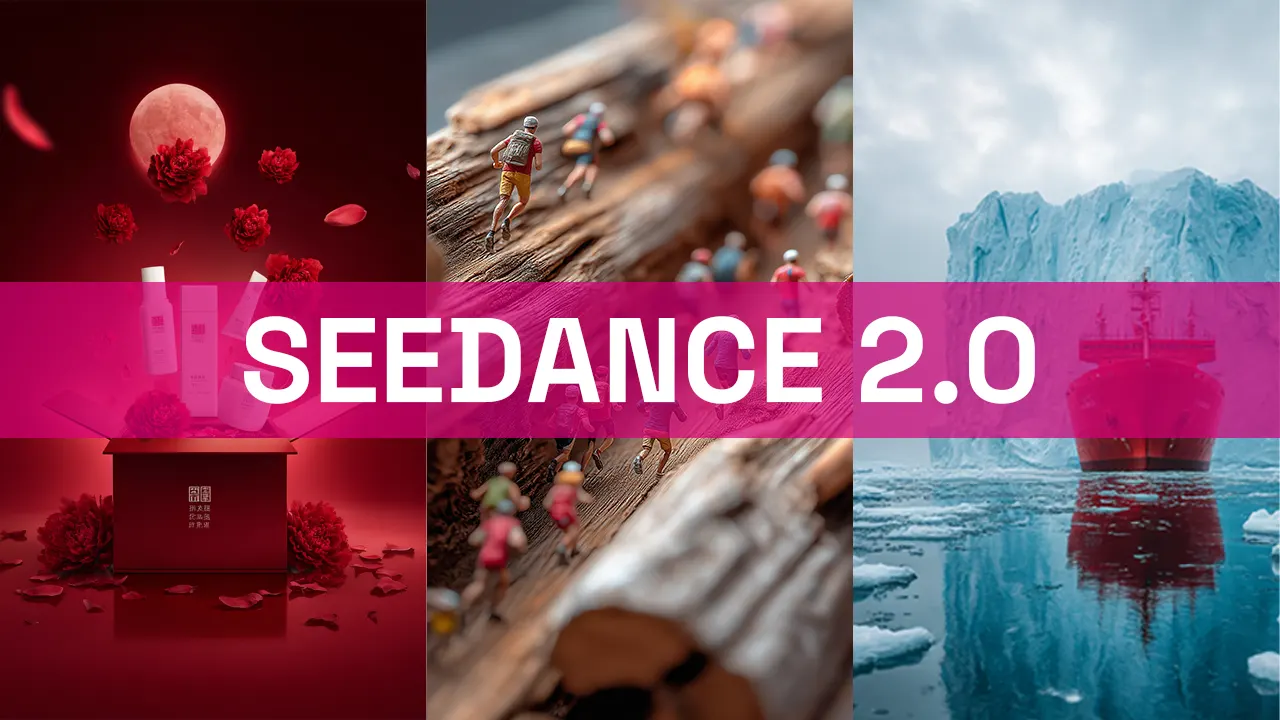
Seedance 2.0
The Future of AI Video Is Here.
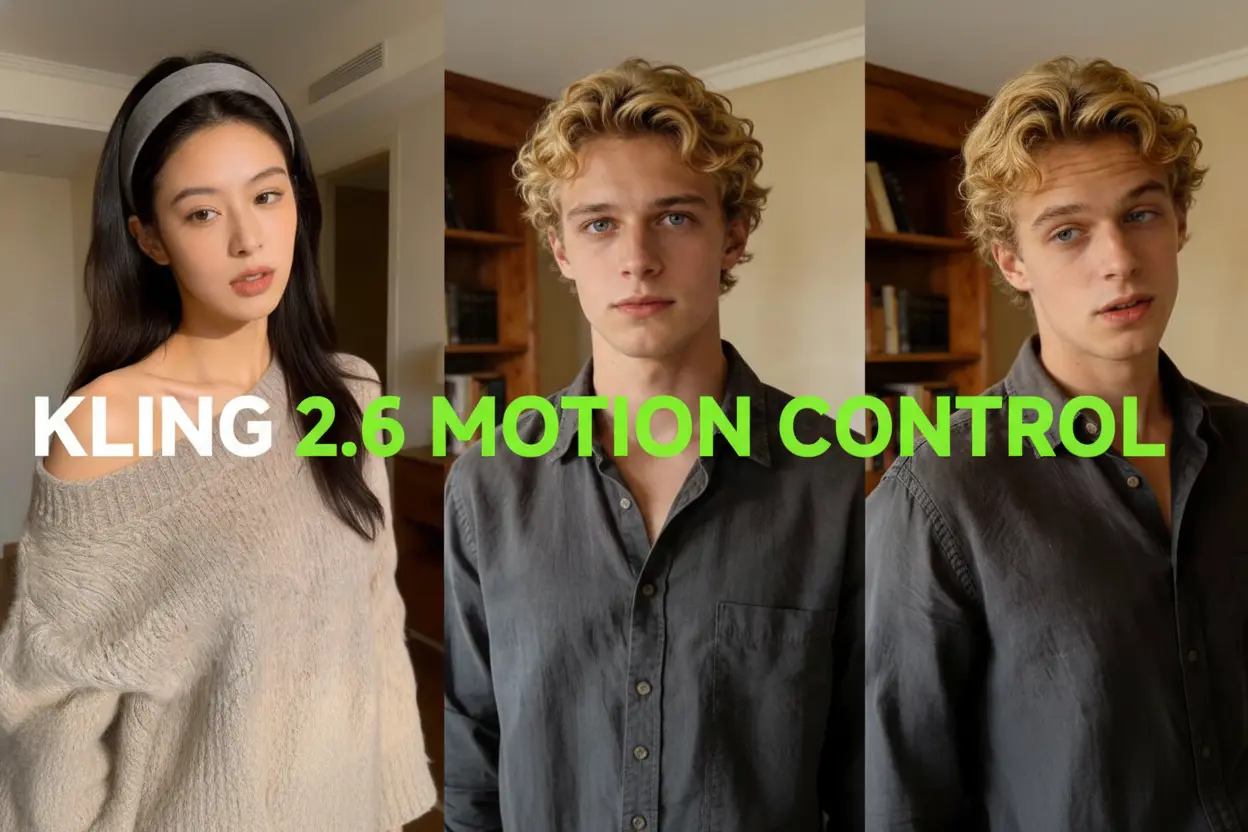
Kling Motion Control
Turn reference images into amazing motion videos in minutes
What a Strong MiniMax H3 prompt Brings to Your Video Workflow
Getting comfortable with the MiniMax H3 prompt gives you command of an open-weight, multimodal video engine that delivers 5-15 second, 2K, 24fps shots with native stereo audio. With up to 7,000 characters per input, you can tag every reference asset by role, map out timed shot sequences, steer camera language and sound design, and preserve identity from one scene to the next — all in a single submission.
- Give Every Media File a PurposeA core habit in the MiniMax H3 prompt is labeling each image, video, or audio file with its intended function — mood reference, actor, product shot, visual style, or voice source.
- Choreograph Scenes by the SecondSegment complex shots into [0-2s] and [2-4s] intervals within a single prompt, so the edit gains momentum instead of feeling like a slideshow.
- Treat Sound as a First-Class Scene ElementInside this prompt, specify musical arrangement, SFX, and voice replication with visual-level precision — down to sub-bass drops, hi-hat patterns, foley texture, and dialogue timing.
How to Structure a MiniMax H3 prompt in a Few Clear Steps
Follow a simple progression to shape a raw idea into a polished MiniMax H3 prompt that produces 2K clips with audio in sync.
The MiniMax H3 prompt Techniques That Matter Most
These MiniMax H3 prompt techniques — assigning reference roles, choreographing timed shots, directing audio, using negative prompts, locking identity, constraining edits, applying cinematic language, and building transitions from physical events — deliver clean, professional video generation.
Explicit Negative Instructions
Use the prompt to state exactly what should not appear — 'avoid soft dissolves', 'skip garbled text', 'no jump scares' — so the model stays on track and skips clichés.
Lock Identities for Scene Consistency
Keep people, products, and backgrounds recognizable between cuts by recording distinctive traits in the prompt — hairstyle, clothing, objects, and typography remain stable.
Pair Edits with Stable Constraints
When revising footage, state both the new element and the fixed details inside the prompt, narrowing changes to targeted regions rather than rebuilding the entire shot.
Speak the Language of Camera and Lens
Embed shot size, focal behavior, exposure, and film traits — shaky handheld energy, focus pulls, wide-angle warp, celluloid grain — directly into the prompt for a more cinematic result.
Turn Transitions into Physical Actions
Describe cuts in terms of real-world motion — swift pans, motion smear, light streaks, flash frames — inside the prompt, which reads more naturally to the model than effect names.
Full Scenes in a Single Prompt
Pack an entire scene's shot breakdown and audio cues into one prompt — complete setting, beat-by-beat shots, sound, and restrictions in a single call.
Your MiniMax H3 prompt Questions, Answered
Quick, practical answers to frequent questions about crafting MiniMax H3 prompt inputs that produce reliable, high-quality video.
What is the MiniMax H3 prompt method?
It's a structured way of instructing MiniMax's open-weight multimodal video engine. The method covers assigning purposes to reference files, shot-by-shot timing, audio direction, what-to-avoid rules, identity preservation, and cinematic framing to generate 2K footage with stereo sound.
What's the maximum length for a prompt?
You can use up to 7,000 characters, giving you room to include the whole scene breakdown, timed actions, lens choices, sound plan, and restrictions in a single prompt.
How should I handle several reference files?
Give every file a defined role inside the prompt — for example, 'Image 1 sets mood, Image 2 shows the talent, Audio 1 provides the voice' — with support for up to 9 images, 3 clips, and 3 audio files in one generation.
Is it worth adding audio details to my prompt?
Definitely — handle sound as part of the scene in the prompt. Note the musical structure, when instruments enter, foley texture, and vocal lines so the built-in audio aligns with the cut.
How can I maintain character consistency throughout a video?
Pin down identity by writing appearance cues — hair, clothing, props, and environment — into the prompt, then keep those details unchanged across every timed segment and cut.
What common mistakes should I steer clear of?
Avoid loose pacing and accidental visual styles. Rely on timed shot blocks rather than static slideshow sequences, and include what-to-avoid guidance in the prompt to filter out unwanted results.
Put the MiniMax H3 prompt into Action Today
Experience 2K output with native stereo audio by crafting a MiniMax H3 prompt that includes timed shots, reference roles, cinematic camera language, and deliberate audio direction in one request.